
Cherry Headed Conure for sale Order
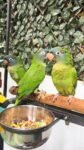
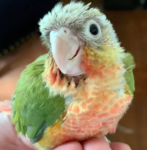
Age: (Baby 3–18 months) (Juvenile 19–35 months) (Adult 3–6 years). Age varies, depending on which bird is chosen.






AUD982.10
Common Name:
Cherry Headed Conure.
Also Known As:
Red Masked Conure.
Species Type:
Medium sized companion parrot commonly kept as a pet bird.
Scientific Name:
Psittacara erythrogenys.
Availability:
Healthy Cherry Headed Conures for sale from a trusted bird breeder.
Age:
Baby (3–6 months), Juvenile (7–18 months), or Adult (2+ years).
Color:
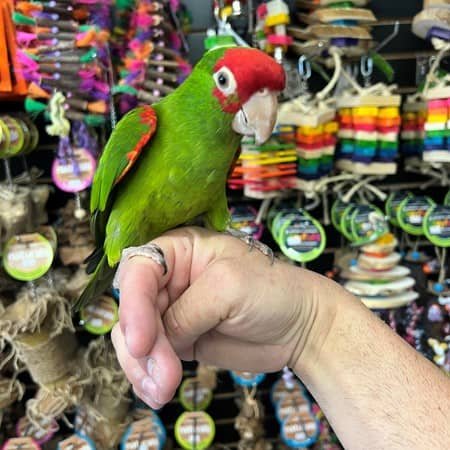
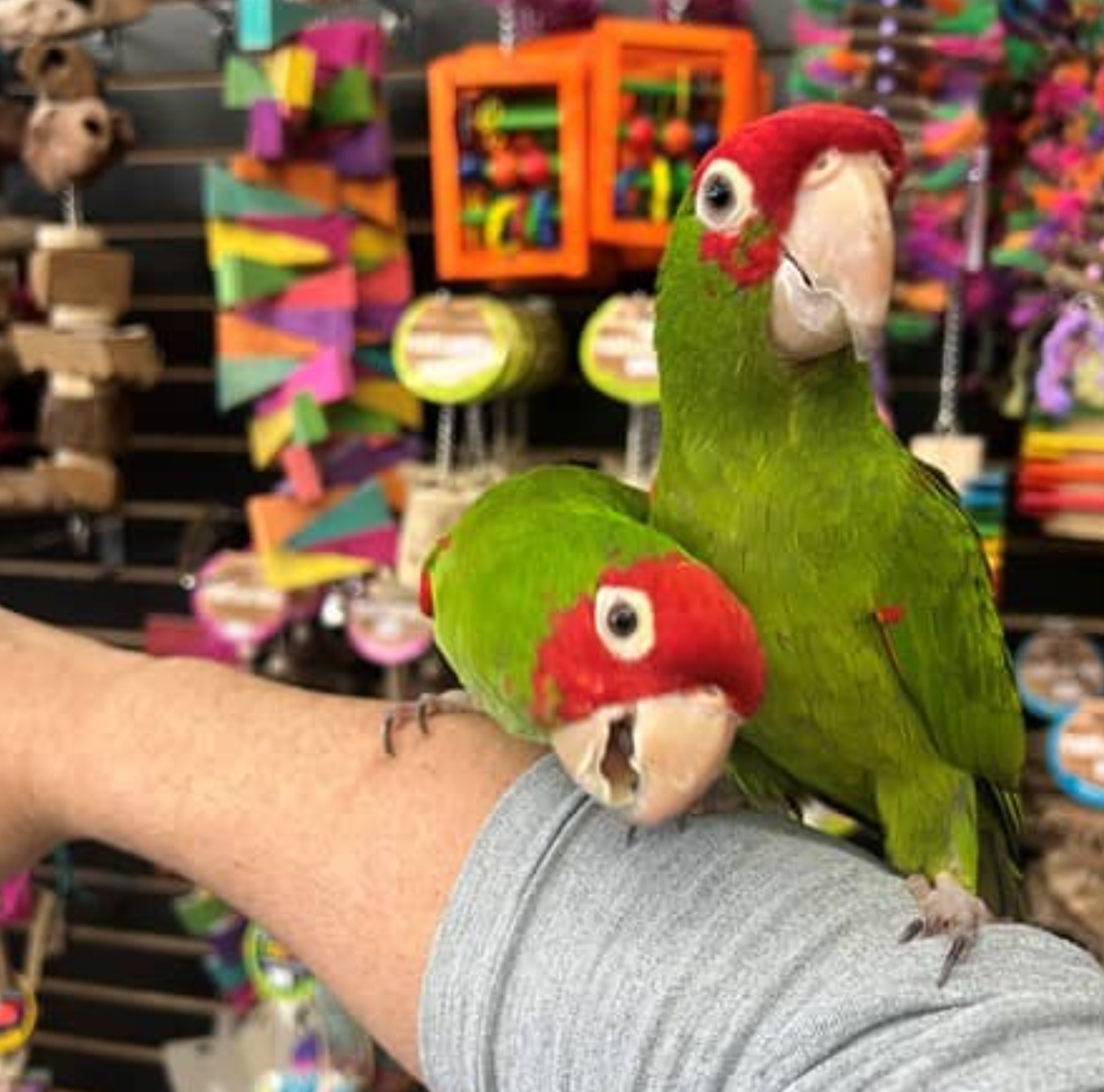
Bright green body with a vibrant red “cherry” colored face and mask. Some birds may develop additional red on the head and upper chest with blue tones on the flight feathers.
Life Span Average:
Approximately 25 to 35+ years with proper diet, care, and environment.
Size Average:
Medium sized parrot measuring approximately 12–14 inches in total length.
Weight Average:
Average weight ranges between 150–200 grams depending on diet and health.
Noise Level:
Medium to high. Cherry Headed Conures can be vocal and commonly call during morning and evening hours.
Activity Level:
High energy bird that requires daily exercise, toys, and interaction to remain mentally stimulated.
Personality:
Highly social, playful, and intelligent parrots. Cherry Headed Conures thrive on interaction and bonding with their owners and are known for their entertaining and affectionate personalities.
Talking Ability:
Some Cherry Headed Conures can learn words and sounds with consistent training and social interaction.
Trainability:
Highly trainable using positive reinforcement techniques such as treats and repetition.
Pet Suitability:
Cherry Headed Conures make excellent companion parrots for owners seeking an interactive, intelligent, and playful pet bird.
Best Owner Experience Level:
Beginner to intermediate bird owners who can provide attention, enrichment, and consistent interaction.
Origin or Natural Habitat:
Cherry Headed Conures originate from western South America, particularly Ecuador and Peru. Their natural habitats include forests, woodland edges, and subtropical regions.
Care:
Provide a spacious cage with natural perches and enrichment toys. Cherry Headed Conures require daily interaction, mental stimulation, and supervised out-of-cage time.
Diet:
A balanced diet should include high-quality pellets, fresh vegetables, fruits, and limited seeds. Clean fresh water should be available at all times.
Gender Differentiation:
Cherry Headed Conures are not visually dimorphic, meaning males and females look identical. DNA testing is recommended to confirm gender.
Caution:
Cherry Headed Conures have strong beaks and chewing instincts. Provide toys and supervise them outside the cage to prevent destructive chewing
Reviews
There are no reviews yet.